As the Metaverse, spatial computing, and extended reality take hold, human creativity is about to be unleashed like never before. Solarpunk offers a hopeful vision of the future, rooted in our current reality, and focuses on sustainability, self-governance, and social justice. This vision should be a cornerstone of how we design the future.
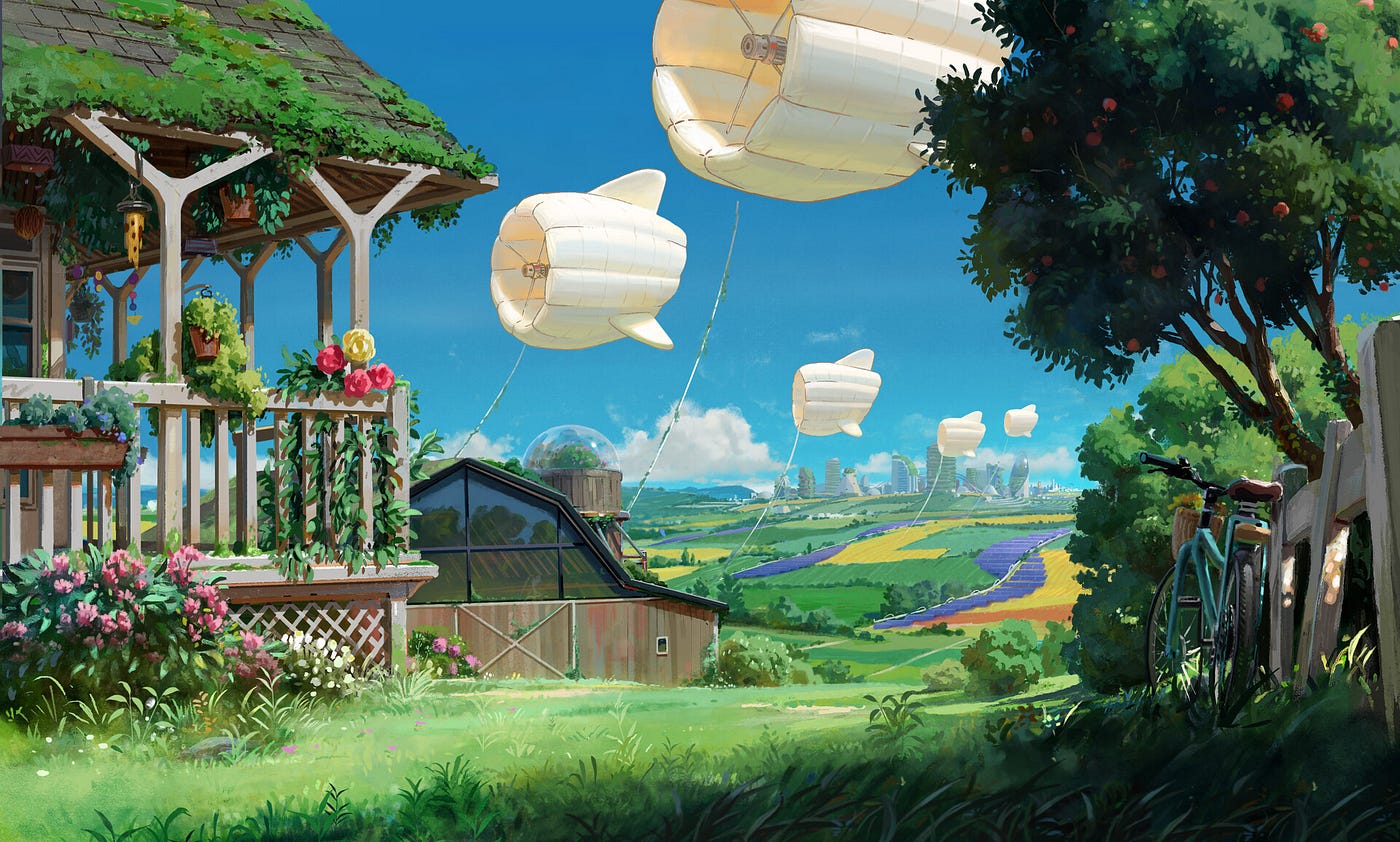
High Tech, Low-Life
I’ve been a fan of cyberpunk for as long as I can remember, ever since I was a kid popping Blade Runner or Tron into the VHS player. There was something about that chrome-and-neon aesthetic, the sprawling digital landscapes, and the dark, rain-soaked cityscapes that painted a future brimming with both endless possibility and looming threat.
Fast forward to 2012, and the announcement of Cyberpunk 2077 Cyberpunk 2077 by CD Projekt Red felt like a dream come true. The studio that had already made waves with The Witcher series was now tackling the genre that had defined so much of my imagination. I was hyped — seven long years of anticipation building up as the release date loomed on the horizon.
When it finally dropped, I was ready to dive in, thermal katana in hand, and serve justice to the corporate overlords ruling the dystopian streets of Night City. And yet… As I played through the game, I realized — I didn’t like it.
In fact, it made me uncomfortable.
What hit me most was the now It was bringing me down.
As I immersed myself in the world, I realized it wasn’t just the sub-optimal gameplay — it was the world itself. What once felt edgy and thrilling now felt suffocating. The uncomfortable neon color palette, the tech-fueled consumerism, and the corporate oppression vibe. It all began to feel less like an exciting exploration of the future and more like an oppressive reflection of the present.
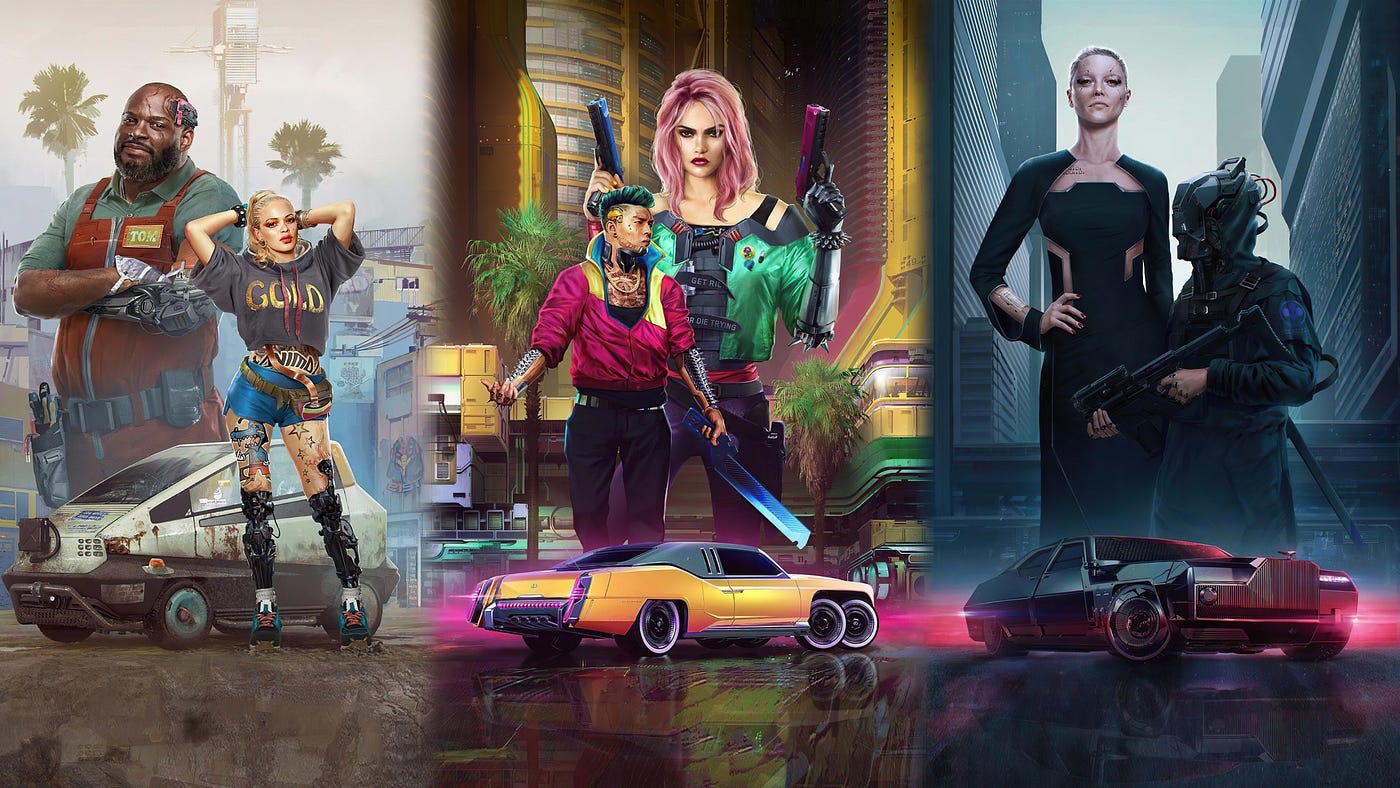
Cyberpunk’s dystopian themes are meant to serve as a sharp critique — a warning about unchecked corporate power and humanity losing itself, piece by piece, to shiny, mass-produced bionic implants. But in practice, the game (and the genre as a whole) often slips into glorifying that sleek, metallic aesthetic, turning the implants into little more than a transhumanist fantasy, catering to fans who see the tech as a dream come true rather than a nightmare unraveling.
Most crucially, the punk part has faded into the background, buried under layers of kitsch. Every punk genre is built on a strong political foundation. Steampunk wrestles with class struggles in a Victorian world. Atompunk mocks Cold War-era government propaganda, with its promises of safe, limitless nuclear energy. Cyberpunk, at its core, envisions a world where hackers augment their bodies with carbon-reinforced bones and neural implants, all in a desperate fight against global capitalist corruption—while buying spare parts on the cheap.
Like any genre that hits the mainstream, cyberpunk is being diluted. Its imagery is getting a glossy makeover, its core motifs repeated so often that the original message fades into the background. But let’s not forget, those ’80s sci-fi writers had a clear vision — future shock is disorienting, and the powerless can reclaim their agency by turning technology to their advantage. At its heart, cyberpunk is a bummer, a speculative fiction that confronts us with a grim future rather than offering an escape from it.
As far as I’m concerned, I’d rather imagine a future that isn’t so relentlessly bleak, where the corporate endgame doesn’t spell doom for everyone. I genuinely believe that this vaporwave aesthetic—the digital void, the ’80s fashion throwbacks, the ironic, I-don’t-give-a-damn attitude—has become tiresome, repetitive, and, worst of all, creatively stifling. It’s a loop that limits what we can envision, locking us into a future that feels more like a recycled past.
And yet, somehow, cyberpunk ended up becoming shorthand for the entire aesthetic of the Metaverse.
I found myself wandering through the endless, flickering neon of Night City, soaked by the polluted rain, but none of its core messages were anywhere to be found… this world wasn’t meant for me. That’s when I quietly walked away from Cyberpunk — both the game and the genre. It had lost its edge, and my interest.
If this aesthetic represents the spatial internet of the future, I’d rather take a walk in the park instead.
Futurism Of Hope, Not Fear
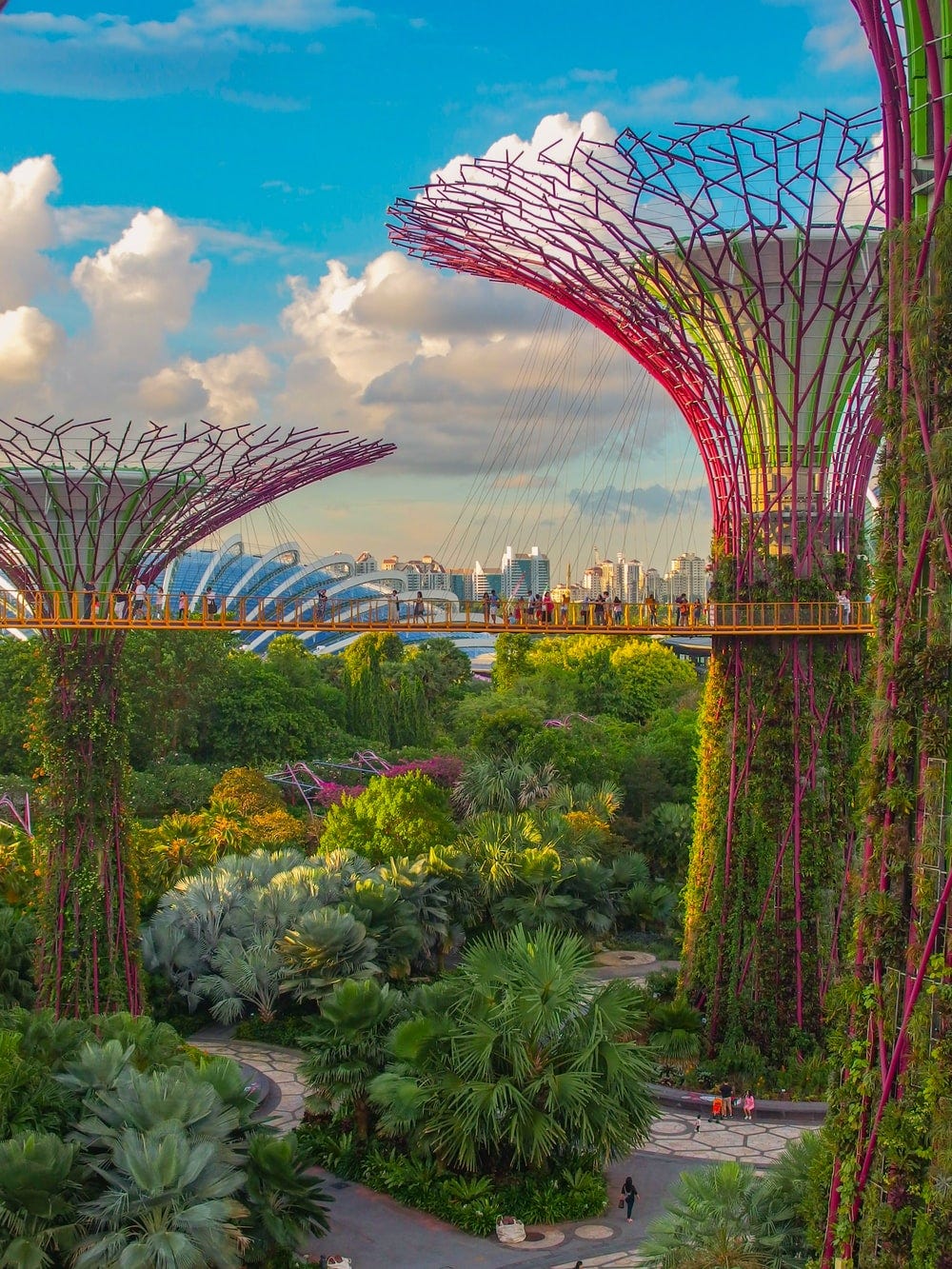
Why is this so important?
Because art has a tremendous influence on us.
Storytelling shapes how we understand the present and imagine the future. Narratives shape our emotions.
Art and stories don’t just reflect who we are; they shape who we believe we can become. And in turn, the futures we create in fiction ripple through our culture, feeding back into our collective imagination. Through this feedback loop, pop culture is being constructed.
If all we ever see is a grim cyberpunk reality, with cynical lone wolves as its only heroes, it starts to feel like a self-fulfilling prophecy. It becomes the only way we know how to imagine the future.
I believe there can be so much more.
So, if we’re to break away from that and move forward, what path should we choose?
Let me ask you this — do you wish for a world that’s cleaner, less polluted?
Do you dream of creating a future that’s kinder, more sustainable?
Do you believe technology can be harnessed for the good of all, not just the few?
Do you want to see communities thrive, with nature and innovation working hand in hand?
If you do, then the answer is clear. You, dear reader, are like me. You are a solarpunk.
Eco-Centric, not Ego-Centric
Solarpunk is an emerging genre of speculative fiction that centers on community, innovation, and technology powered by renewable energy. It envisions a future rooted in our present reality, highlighting the urgent need for sustainability, self-sufficiency, and social justice.
The “solar” part focuses on clean energy—solar, wind, geothermal. The “punk” is all about rebellion, challenging the status quo, embracing open-source technology, and collective action.
Imagine a future where we are building tech ourselves, coexisting with animal companions, and growing gardens at the same time. Where we are manufacturing the future with a thoughtful craftsman’s touch.
This future begins here and now — built from and with nature. Solarpunk is a movement as much as it is a genre: it’s not only about imagining the stories of tomorrow but about actively shaping how we can build that future today.
Post-apocalypse? No, Post-scarcity

Where cyberpunk delves into a world overrun by corporate greed and a dehumanized society filled with mass-produced bionic implants, solarpunk is a future where both nature and human communities thrive. It emphasizes a story where both nature and human communities and collectives thrive in a mutually beneficial relationship.
This is one of our guiding principles here at Matterless. We want to tell a transformative story. One of personal growth, supported by technology and care, blossoming into a shared social experience. One of rejecting unsustainable living.
If you look out the window and think, “It’s not green enough; I wish I could change that,” you’re a solarpunk.
If you believe animals deserve to be treated with more fairness and respect, you’re a solarpunk.
If you want to know your neighbors better, build something together, and be an active part of your local community, you’re a solarpunk.
And ultimately, if you care about achieving carbon neutrality and making the planet a net positive for nature each year, then yes, you’re a solarpunk.
So… now that you know who you are, what are you going to do about it?
 Damir First
Leave a comment