Recently, I’ve been thinking about how togetherness has changed over time. How did new modes of communication give rise to new modes of consciousness — and new kinds of human experiences?
Born in 1983, I entered the world just as the Telephone Era was winding down. This period saw the telephone change not just how we work and live, but also how we think— a subtle but significant shift that’s often taken for granted.
For the first time in the history of human existence it was possible to share a moment of being together in two separate physical locations.

Togetherness is an interesting concept. Before the telephone, we were only able to hold a dialogue in real time in each other’s immediate physical presence. The Telephone Era expanded our ability to be together and gave birth to a generation of humans with a different understanding of what social interaction could be.
Now we could, through the aid of a magical device tethered to our wall, be social with someone that wasn’t physically present with us. Through hearing their voice in real time, we could feel emotionally connected to the person on the other end of the line.

Only decades after the Telephone Era another radical change in consciousness followed. We became untethered from our walls and could bring our telephone conversations with us out into the world. The Cellphone Era had started. What’s so radically new here how we could now bring our space with us where we went. There was no longer any need to ever feel alone. In the Cellphone Era one could call a lover and walk home with them at a distance.
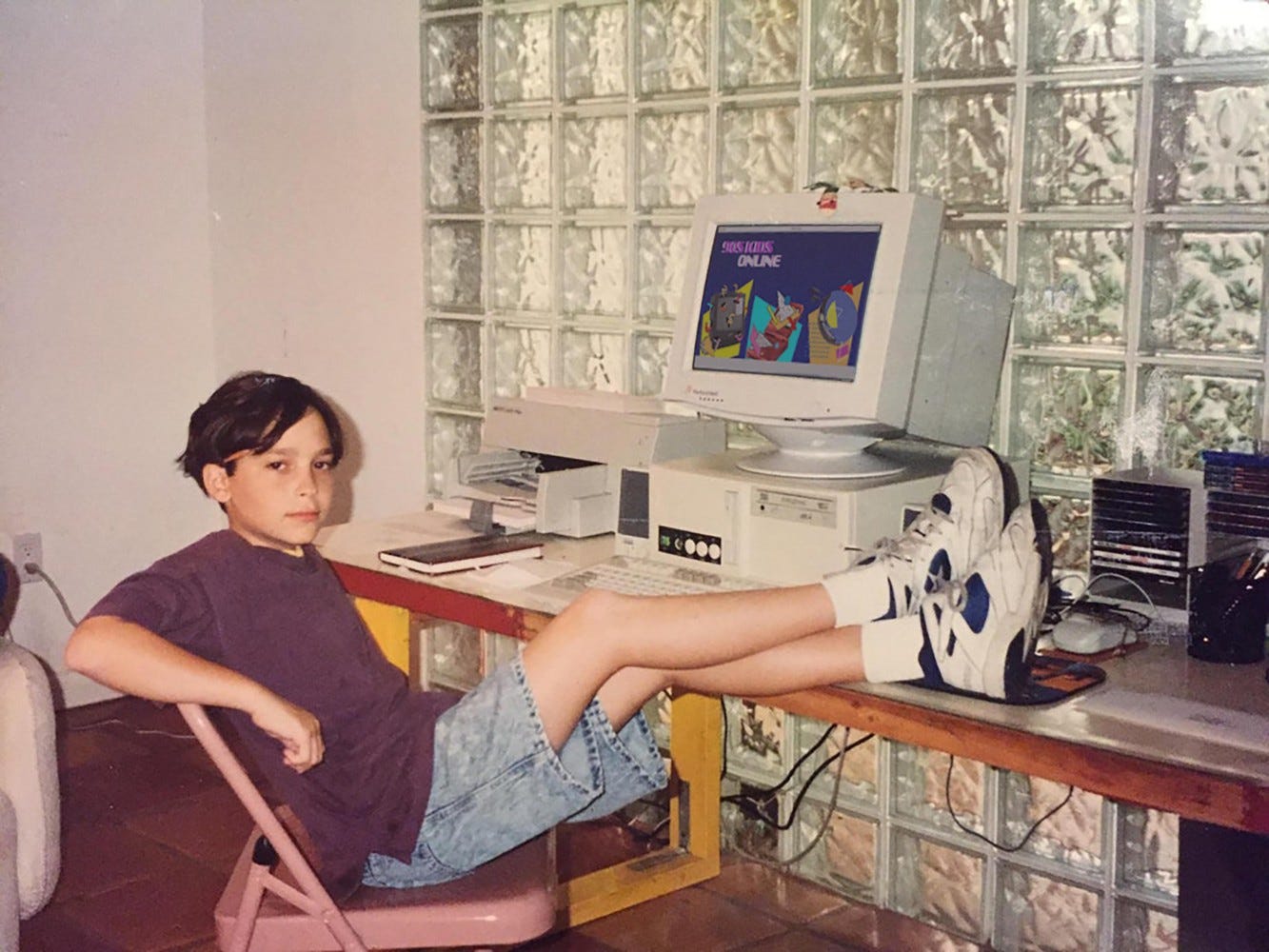
Very soon after we entered the Chatroom Era. As I bought my first computer at fourteen, I started exploring everything that was magical about the World Wide Web. Back then, there was hype in the press about the personal isolation of internet. Now we understand that internet users are just as likely to have a wide circle of friends and to get together with friends & family on a regular basis. That “geek in the basement” stereotype persisted even as the internet became mainstream. I believe that particular stereotype comes from thinking a person in front of the computer screen is fundamentally alone.
Behind the screen though, togetherness thrived. Instead of disappearing, people’s communities were transforming: The traditional human orientation to neighborhood- and village-based groups had started moving towards communities that are oriented around geographically dispersed social networks. In those days, one could communicate and maneuver in multiple networks rather than being bound up in one solitary community.
This marked the beginning of what many refer to as the Metaverse: a digital realm free from the constraints of physical reality, offering us the opportunity to explore entirely new states of consciousness.
And for me, those chatrooms became a new way to learn, grow, and make friends. These were and are my social circles, I inhabit this digital identity, and still use some of my usernames to this day.
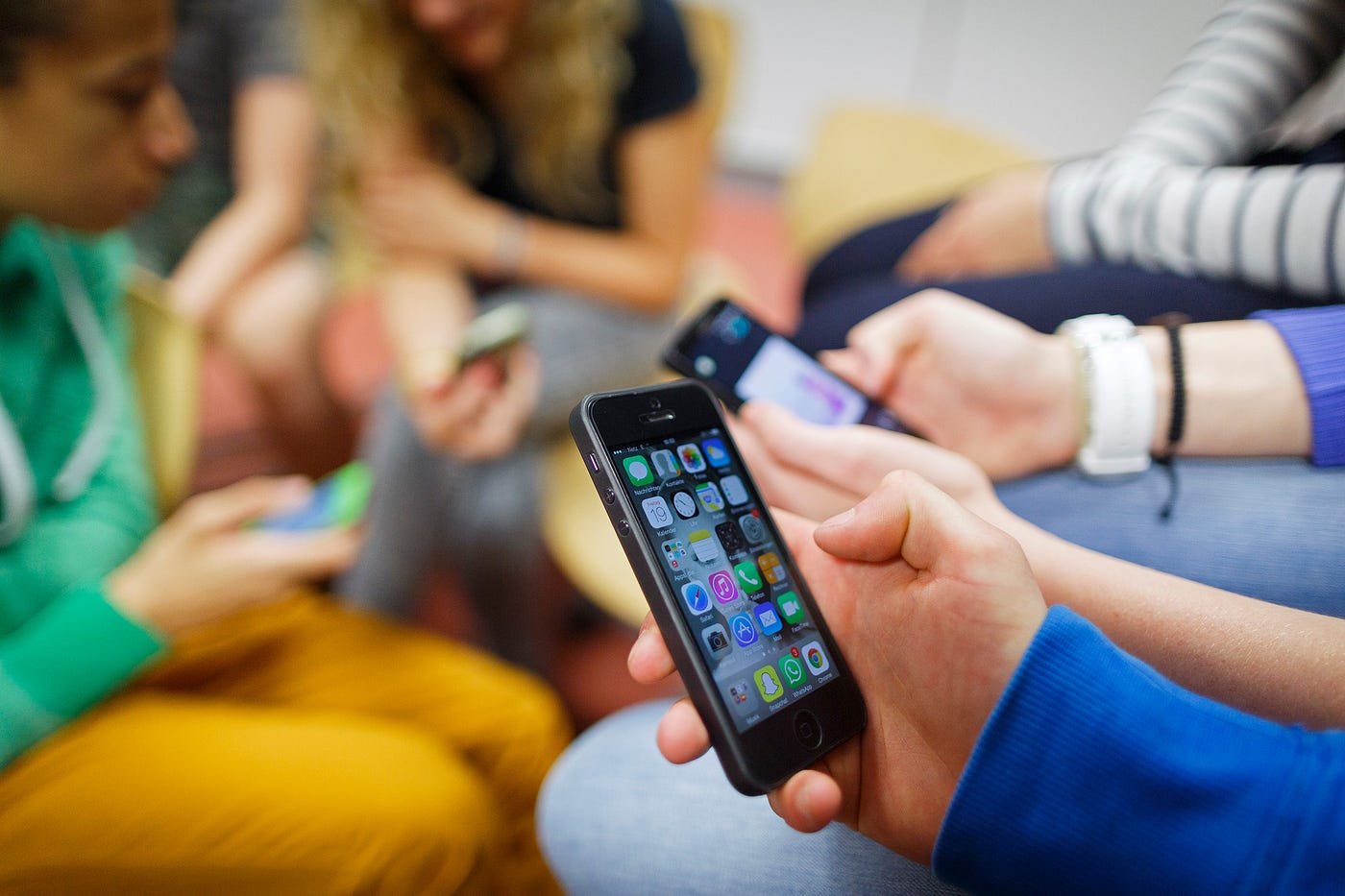
When the cellphone and the computer eventually merged in the Smartphone Era, it was anyone’s guess what new radical changes might come with it. We immediately noticed how it disrupted industries and old inefficiencies, but it took a while before anyone really noticed how it disrupted human consciousness.
With the rise of Facebook, Instagram, and other social networks, the internet stopped being a place where people genuinely hung out. Communication became asynchronous, no longer real-time. “Social media,” perhaps one of the greatest misnomers of all time, turned off the social aspects of the internet and large parts of our entire culture in the span of a decade. In their wake followed alienation, loneliness, social anxiety, unrest, and declining mental health.
The once vibrant substrate of the internet, once home to a flourishing new kind of human consciousness and connectedness, became a desert of self-promotion and disconnectedness. The smartphone era had given way to something more dystopian: The Wall Era.
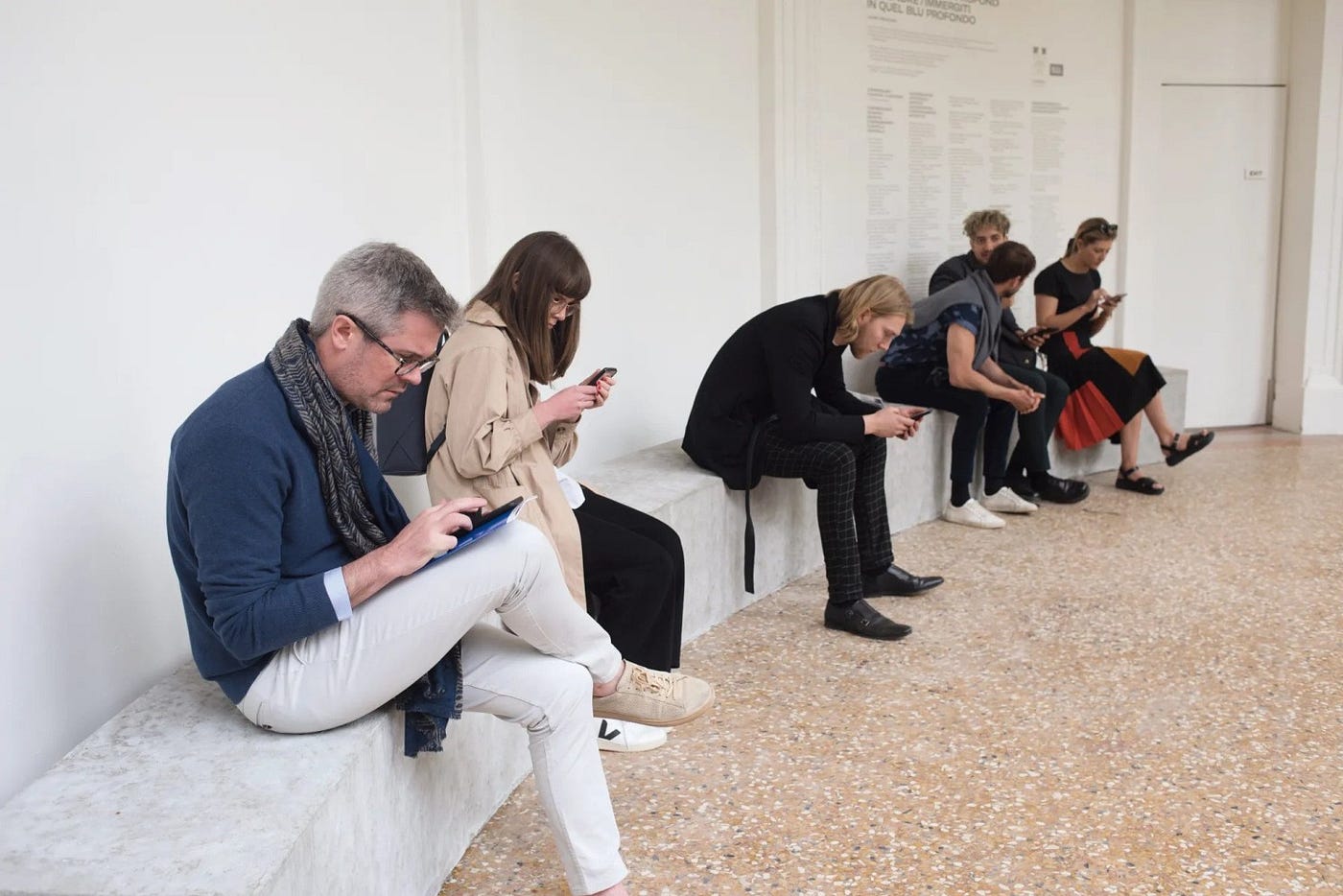
In the Wall Era, conversations are no longer expected to happen in real time. We could say the internet became a place full of angry strangers dying to correct each other, and togetherness is something we are lucky to experience for a brief moment. In the Wall Era, we are alone and alienated and technology has started working against human connectedness.
So, what comes next?
If we can experience a shared augmented reality, the ability to render information precisely and intersubjectively in space we will be able to take the next big leap in human communication.
Once again, the limits of togetherness and communication will be pushed, and human beings will be able to communicate at levels of bandwidth almost unimaginable.
When augmented reality is shared, it brings us back into the here and now and allows us, once again, to experience each other as friends rather than strangers.
 Damir First
Leave a comment