
As a child of the 80s, I was part of the first wave of the internet generation. The hum of the hard drive, the glow of the CRT monitor, it was a window to a world of possibilities that has since grown and evolved in ways I could never have imagined. Today, we reflect on the profound changes technology has brought to our lives, particularly in the realm of companionship and connection.
Humans have been living with animals for many thousands of years. Ours is a deep, emotional, intimate connection that has transformed the evolution of human society.
We’ve depended on animals for food and transportation; we’ve worshiped them as sacred and considered them companions throughout history. As we evolve, so does animals’ role in our lives and how we treat them.
In prehistory, humans took wolf cubs and trained them to hunt, herd, and guard. Later, in ancient Greece, dogs were thought to be able to cure illnesses and were kept in healing temples.
Cats followed mice into granaries at the start of the agricultural revolution and were tolerated at first and later encouraged to stay. Egyptians mummified millions of them.
Today we consider animal companions to be a part of the family, give them human names, and buy them birthday gifts.
Over half the people in Western societies share their daily life with pets, and as the role we give them changes, our animal friends today receive more love and care than ever before.
Even the ones not made of flesh and bone.
Digital Natives: Growing Up with Screens and Redefining Reality
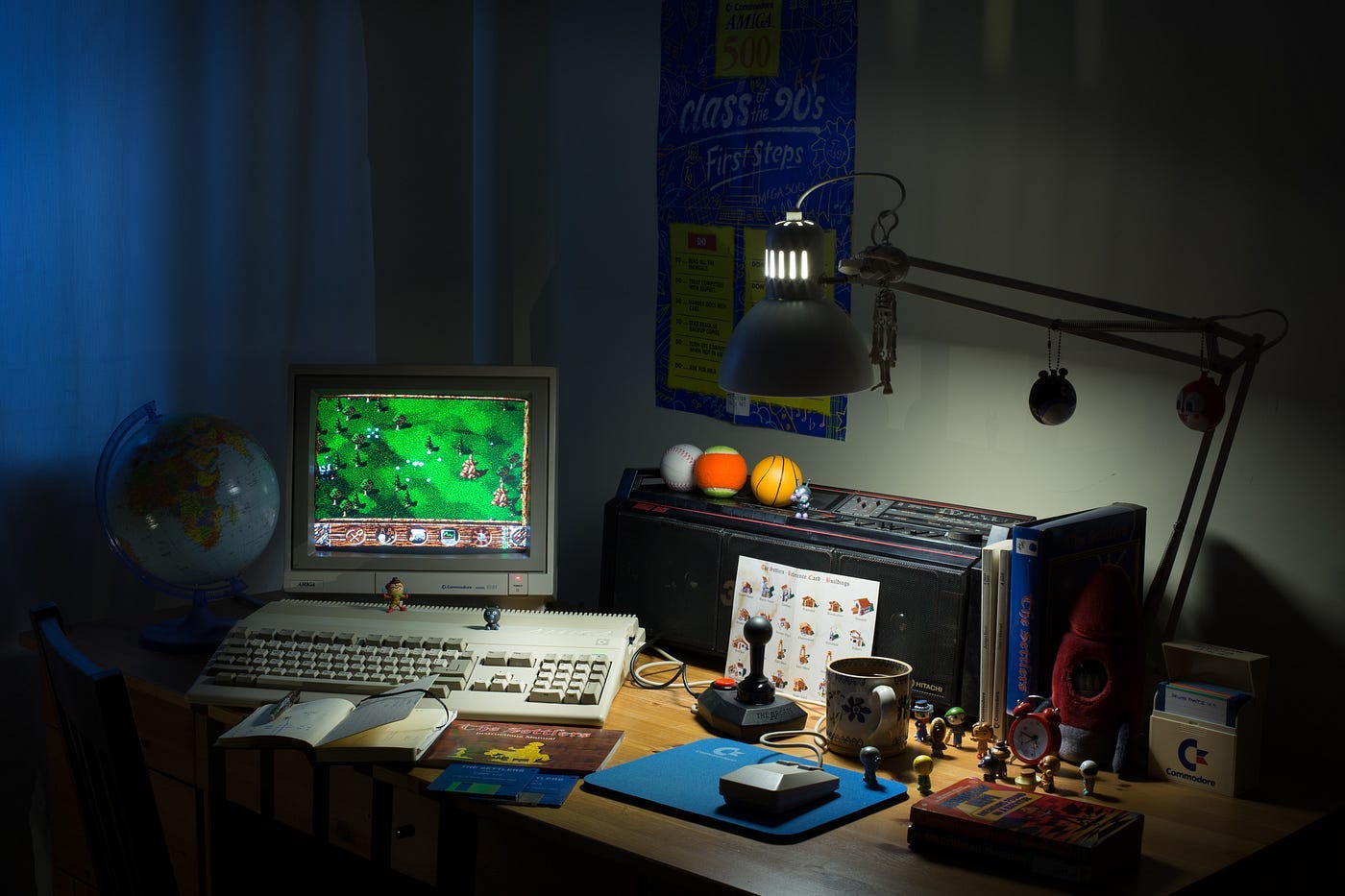
Increasingly, our human young are being raised by screens. As an 80s kid, my window to the greater world was TV sets, computers, handheld consoles, and the internet.
I was part of the first wave of the internet generation, a millennial born in ’83. Being a kid that grew up with a screen to the world completely changed what I thought was possible. It made me realize very early on that the way we live today will be different from anything we encountered in the past. At the same time, I discovered sci-fi.
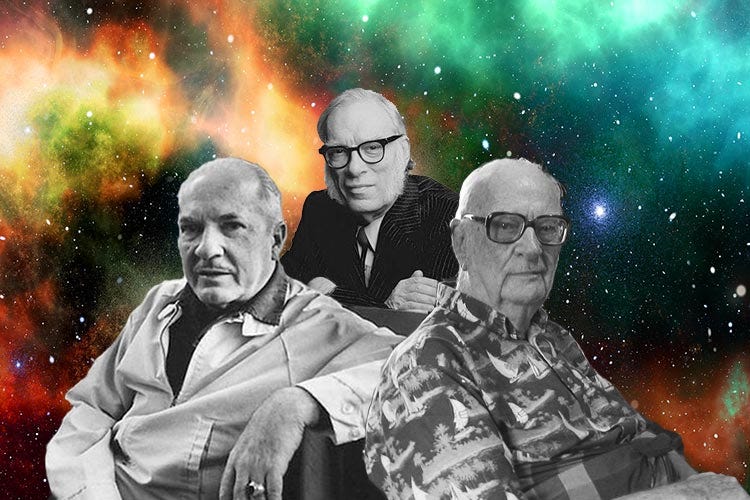
― Robert A. Heinlein, Time Enough for Love
I read everything from Asimov, Clarke, and Heinlein — the classics, to William Gibson’s Neuromancer and Neil Stephenson’s Snow Crash. This is where I’d heard of Cyberspace and the Metaverse for the first time.
At the same time, I was growing up in a small European country right as we were falling face-first into the democracy after the crash of a socialist ideology and a civil war for independence. The Internet made it possible to imagine living in a different world.
My screens, like my books, became storytelling machines; through them, I started understanding the world around me. The best part was that, as time passed, the screens became more and more interactive.
Fast forward a few years, and I was the first in my family to study abroad in Japan. Because of the web, I had already connected with others like me and made real friendships online. These were real friends in virtual worlds, people I would chat and play games with, just hang out, and, when I did a year abroad in Asia, ask for help figuring out how to survive.
I’ve been online since I was thirteen, and now I’ve asked myself — what’s it like becoming a teenager online in 2021?
Merging Realities: Exploring the Rise of Digital Companions in a Matterless World

Today’s generation never lived in a world without broadband connections.
They are growing up with social media and are the first to witness artificial intelligence, augmented reality, and spatial computing as part of daily life. I’m pretty sure they are as mesmerized by the possibilities of new tech just as I was.
A 3D internet in a mixed reality environment where the users will be embodied digitally and simultaneously speak to each other and computers in physical space.
One trend we are starting to see is a merger between physical and digital interactions. For younger generations, online public events, like Fortnite concerts, are the new normal. Spending money on skins, emotes, and accessories that exist only online is expected to enhance and individualize a digital identity.
People are ready to accept and express themselves in a new social environment that merges the material world and a digital canvas, a frame for spatial notes and 3D models projected in it.
A digital layer on top of physical space is the next frontier.
In that environment, there is room for a digital companion, a trusted pet that can follow you across different domains using cross-platform compatibility and join you in becoming a part of your identity.
With the advancement of technology, our relationship with animals has also been changing. However, our interaction with animals seems to have stayed the same — we still feel the need to take care of them, watch them grow, feed them, play with them, and draw immense pleasure from interacting with them. And, interestingly enough — children treat robotic animals as if they were living beings, no matter how much interaction with real pets OR technology they have in their lives.
These new inhabitants of the spatial internet will have needs and desires just like we do and thrive when you care for them. Each creature has its own personality and affinities and will respond uniquely to the world. Their personality develops over time as they interact with you, the material layers they recognize, and the digital layers they inhabit.
Just as it does with an animal of flesh and bone.
In the realm of digital expression, right now, the possibilities seem endless.
Companions will find their place here just as they always have wherever we humans go.
 Damir First
Leave a comment